Plumbing FAQs | Englewood, FL
Frequently Asked Questions | Plumber in Englewood, FL | Englewood Plumbing Pros
If you are searching for a straight answer from a plumber in Englewood, FL, this page is where Englewood Plumbing Pros collects the questions we hear from homeowners every week. After years of working on homes across the Englewood area, we have fielded just about every plumbing question there is, from a kitchen sink that keeps backing up to a water heater that quits on a Sunday night. You will see questions about drain cleaning, water heater repair and replacement, pipe repair and repiping, water line work, garbage disposal service, toilet and fixture installation, gas line safety, slab leak detection, and 24 hour emergency plumbing, along with how scheduling and service actually work.
A lot of the homes here were built in the 1960s and 70s, and salt air, hard water, and shifting sandy soil all leave their mark on aging pipes, so many answers here are shaped by what we see in local houses. We find the real source of a problem instead of guessing, and explain it in plain language. Whether you are facing an urgent leak or planning ahead, the questions below should point you in the right direction.
General Plumbing Questions in Englewood
When should I call a plumber instead of trying to fix it myself?
Small jobs like tightening a handle or plunging a simple clog are fine to handle yourself. The line to watch is anything involving gas, the main line, the slab, pipes behind a wall, or repairs near electrical parts. Older homes here add risk, since brittle galvanized fittings crack easily. If a problem keeps returning or you are guessing at the cause, call a pro before a small issue becomes an expensive one.
What counts as a plumbing emergency?
An emergency is anything actively causing damage or making your home unsafe. A burst pipe spraying water, sewage backing up into a tub, a water heater flooding the garage, or a leak you cannot shut off all qualify. So does a suspected gas leak, a life safety issue. If water is spreading and you cannot stop it, shut off your main supply and call us. Slow drips and minor drain issues can usually wait for a normal appointment.
Do you work on older homes in Englewood?
Yes, and we work on a lot of them. Many Englewood homes from the 1960s and 70s still carry aging galvanized or early copper pipe that corrodes from the inside over the years. We know the quirks these systems bring, from pinhole leaks and low pressure to rust colored water. Whether you need a spot repair or a full repipe, we handle both and give you an honest read on which makes sense. Being one of the best plumbers for older homes here means knowing what to expect before we open a wall.
Why does my water look rusty or discolored?
Rust colored water usually comes from corroding metal pipes or sediment in an aging water heater. In older homes with galvanized lines, it often signals the pipes are thinning from the inside, which can lead to leaks. If it clears after running the tap a minute, the water heater is the likely source; if it lingers, the piping is. We test to find the source, then either flush the system or replace old lines that have reached the end of their life.
What causes low water pressure in Englewood homes?
Low water pressure usually traces back to corrosion or mineral buildup narrowing aging pipes, a hidden leak, or trouble on the main line. Hard water is common here, so scale builds inside older pipes faster than you might expect. If the weak flow shows up at one faucet, the cause is often local, like a clogged aerator. If it is the whole house, the problem is deeper. We check whether it is one spot or system wide before recommending anything.
How do I know if I have a hidden leak?
The clues are indirect. A water bill that climbs without more usage, running water heard when everything is off, warm or damp spots on the floor, or a musty smell near a wall all point to a leak you cannot see. In slab homes, which is most of them here, a leak can run under the foundation for weeks before it shows. We use moisture meters and acoustic tools to pinpoint the source so we open only what we need to.
How often should I have my plumbing checked?
For most homes, a look every couple of years is reasonable, and older homes benefit from more. If your house still has original galvanized pipe or you have noticed pressure changes, discolored water, or recurring clogs, an inspection can catch a problem before it becomes a burst pipe. We check pipes, fixtures, the water heater, and shutoff valves so you know what shape your system is in. It is easier to plan a repair on your own schedule than to scramble when a line lets go.
Do you handle both repairs and new installations?
Yes. We cover the full range of residential plumbing, from a quick faucet repair to a complete repipe or a new water heater. Whether fixing something broken, updating a bathroom, or adding a gas line, we handle the job from diagnosis through final testing. The goal is to do it correctly the first time. If it involves the water or gas in your home, there is a good chance we do it.
Drain Cleaning and Clog FAQs in Englewood
My kitchen sink drain keeps backing up. What is wrong?
A kitchen sink that keeps backing up usually means grease and buildup have narrowed the line, or there is a clog further down the system. Pouring more water or store bought chemicals down it rarely clears a real blockage and can make things worse. The better move is to find exactly where the clog sits and match the right tool to it. We clear the line, then check whether it is a one time issue or a recurring pattern that points to a deeper main line problem.
How much does drain cleaning cost in Englewood?
The cost depends on the job, since a simple clog near a fixture is very different from a main line blockage that needs a camera and heavier equipment. We do not throw out a number over the phone before we understand what is happening, since that only leads to surprises. We explain the situation and your options clearly before any work starts. Getting a stubborn drain looked at early keeps it from becoming a bigger backup.
What is the difference between hydro jetting and snaking?
Snaking sends a cable down the line to break through a clog, which works for many everyday blockages. Hydro jetting uses a high pressure stream to scour the pipe walls, clearing grease, scale, and buildup rather than just punching a hole through it. For recurring clogs or lines coated with years of grease, jetting often lasts longer. We look at what is causing the problem and how the pipe is holding up before recommending one over the other.
Why do my drains smell bad even after cleaning?
Persistent odor usually means organic buildup still clinging to the pipe walls, or a dry trap letting sewer gas rise. Sometimes the smell comes from a garbage disposal that needs a deeper clean than a rinse. If the odor keeps returning after you clean the visible parts, there may be buildup further down the line or a venting issue. We track down where the smell is coming from instead of masking it, since it can signal a more serious problem.
How do I know if the clog is in the main line?
The telltale sign is more than one fixture acting up at once. If your toilet gurgles while the shower runs, or several drains slow together, the blockage is usually in the main line rather than a single fixture. Water backing up in a lower drain when you use one elsewhere is another red flag. A camera confirms the cause and location before we cut into anything, keeping a main line issue from becoming a whole house backup.
Can tree roots really get into my drain pipes?
Yes, and it is common in older neighborhoods with mature landscaping. Roots seek moisture and work into small cracks in aging sewer lines, then grow and cause backups. Homes here with original clay or older pipe are especially prone to it. If you have slow drains, gurgling toilets, or recurring backups that keep returning, roots are a real possibility. We use a camera to see inside the line, then clear the roots and talk through options to keep them from coming back.
Water Heater Repair and Installation FAQs in Englewood
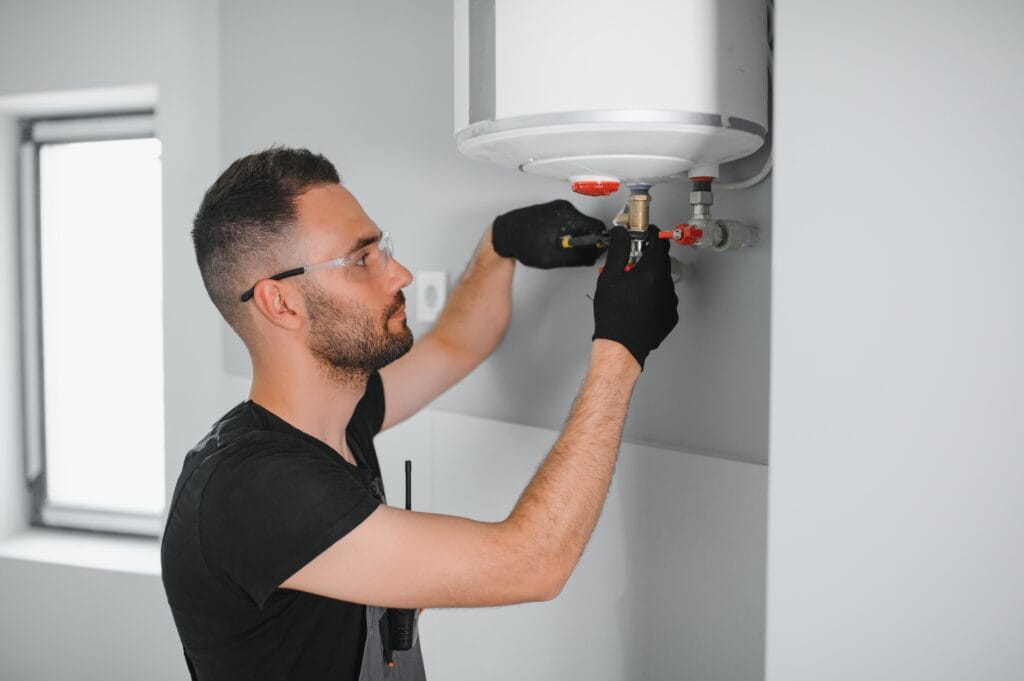
What are the signs my water heater needs replacement?
A few signs tend to show up together. Water that never gets fully hot or runs cold quickly, rusty or discolored hot water, popping or rumbling from the tank, and a unit well past ten or twelve years of age all point toward replacement rather than another repair. A water heater leaking from the bottom is often the clearest sign the tank has failed. If several of these show up at once, replacing usually makes more sense than repeated fixes. We help you weigh repair against replacement honestly based on the unit’s age and condition.
What should I do when I have no hot water?
Start with the basics. For an electric unit, check whether a breaker tripped; for a gas unit, check that the pilot or burner is lit. If those look fine, the trouble may be a failed heating element, thermostat, or burner. Do not take things apart near the electrical or gas connections, where a small mistake gets dangerous. Call us and we will diagnose it and handle same day water heater repair when possible.
Should I repair or replace my water heater?
It comes down to age and what has failed. If your unit is under about eight years old and the problem is a single component, a repair often makes sense. Once a tank is past a decade, showing rust, or leaking from the body, repeated repairs are money on borrowed time. Hard water speeds sediment buildup here, shortening tank life. We give you a clear read on both paths rather than pushing the bigger job.
Do you install tankless water heaters in Englewood?
Yes. We install tankless water heater systems for homeowners who want endless hot water and more space where a bulky tank used to sit. Tankless units have specific gas, venting, and sizing requirements, and getting those right is the difference between a unit that runs efficiently and one that struggles. We size the system to your household and install it correctly. We can also help you decide whether tankless or a tank fits your household better.
Why is my water heater making popping or rumbling noises?
Those sounds usually come from sediment that has settled at the bottom of the tank. Water gets trapped under the layer of mineral buildup, and as it heats it bubbles up through, creating that popping or rumbling. Because the water here is mineral heavy, sediment collects faster, which is why flushing the tank periodically matters. Left alone, it makes the unit work harder and wear out sooner. If your tank is noisy, we check the buildup and advise whether a flush or replacement is smarter.
How long should a water heater last?
A traditional tank typically lasts eight to twelve years, though hard water and heavy use shorten that. Tankless units often last longer when maintained, and regular flushing helps either type last. If your unit is creeping past ten years and showing its age with discolored water or inconsistent heat, it is wise to plan ahead rather than wait for it to fail on a holiday weekend. We can assess how much life yours likely has left.
Why is my water heater leaking?
A leak can come from a few places, and the source matters. A drip from a fitting, valve, or connection is often repairable. Water pooling under the tank from the body itself usually means it has corroded through, and replacement is the only real fix. Mineral buildup speeds that internal corrosion here. If you spot water around the base, have it looked at quickly, since a slow leak can turn into a sudden flood.
Can I flush my water heater myself?
You can, and doing it once a year helps clear the sediment from this area’s mineral heavy water. The steps involve shutting off power or gas, connecting a hose to the drain valve, and letting the tank empty and refill. If your unit is older, the valve is stubborn, or you are not comfortable around gas or electrical connections, it is safer to have us do it, and we can check the anode rod while we are there.
Pipe Repair, Repiping and Water Line FAQs in Englewood
What should I do about a burst pipe?
Act fast. Shut off your main water supply to stop the flow, then open a few faucets to drain the lines and relieve pressure. Move valuables away and call us. A burst pipe does serious damage quickly, especially in a slab home where water spreads under floors, so the sooner the water is off, the better. Knowing where your main shutoff is before an emergency saves precious minutes, and we are glad to show you during any visit.
When does an older home need repiping?
Repiping comes up when patching one leak just delays the next. If your home still has original galvanized pipe, and you are seeing repeated pinhole leaks, low pressure, or rust colored water, the whole system is wearing out. Many older homes here reach that point, and repiping with modern PEX or copper solves it for the long term rather than chasing failures one at a time. We assess the whole system and lay out honest options so you can decide what fits your situation.
What is a slab leak and how do you find it?
A slab leak is a leak in a water line running under your concrete foundation, where the plumbing sits in most homes here. The warning signs are easy to miss, like a warm spot on the floor, water running under the foundation, cracks in flooring, a musty smell, or a water bill that spikes without extra use. We locate slab leaks with acoustic tools and moisture detection so we open only the spot that needs work, then repair or reroute the line rather than tearing up your floor.
Why are my pipes making banging noises?
Banging pipes, often called water hammer, come from loose fittings, high water pressure, or worn valve parts. When a valve shuts quickly, the moving water slams to a stop and sends a shock through the pipes. That repeated stress can loosen joints and lead to leaks over time. We track down the cause, check your water pressure, and secure or adjust whatever is behind it. Sorting it out early keeps a noisy nuisance from becoming a leak inside a wall.
How do I know if my main water line has a problem?
A main water line issue affects the whole house, so the clues show up everywhere at once. Look for a widespread pressure drop, wet or green patches in the yard, muddy water at the taps, or running water heard when everything is off. A water bill that keeps climbing for no clear reason is another sign. Because the line is buried, we locate and pinpoint the trouble spot before any digging, keeping disruption to your yard as small as possible.
What pipe materials do you use for repiping?
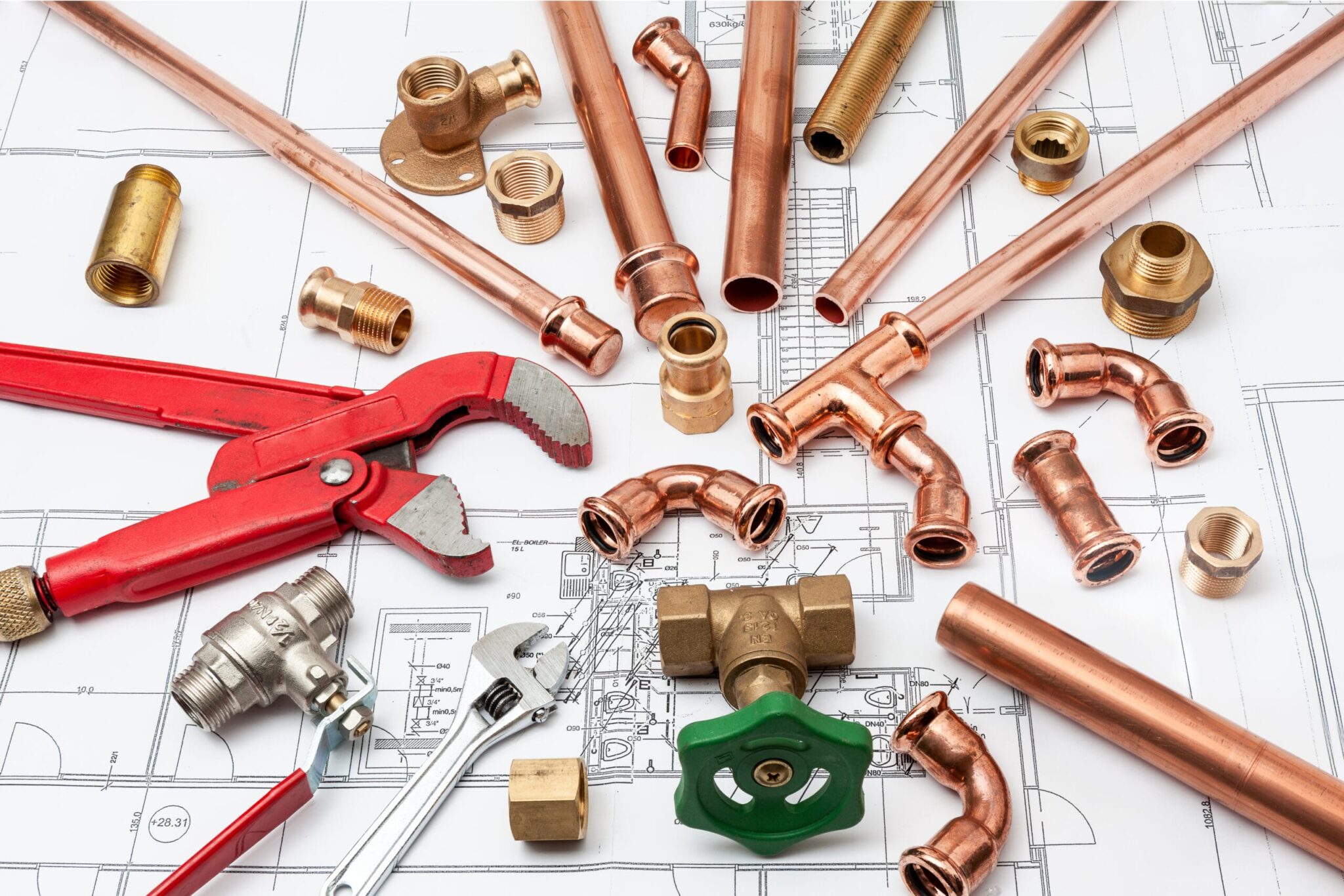
We typically repipe with modern PEX or copper, both of which hold up far better than galvanized steel. PEX is flexible, resists scale, and installs with less disruption to walls, while copper remains a durable, proven choice many homeowners prefer. The right pick depends on your home, budget, and existing layout. Given the humidity and salt air near the coast, corrosion resistant materials matter more here than inland. We walk you through the tradeoffs so the choice fits your situation.
Garbage Disposal Repair and Installation FAQs in Englewood
How do I fix a jammed garbage disposal?
If your disposal only hums, it is usually jammed. Turn off the power at the switch first. Many units have a hex slot on the bottom you can turn with the included wrench to free the flywheel, plus a red reset button underneath. Never put your hand into the disposal. If it stays jammed after that, or will not turn on at all, something deeper may be wrong. We free the jam, check the motor and wiring, and let you know whether a repair or replacement makes more sense.
Why is my garbage disposal leaking?
Leaks come from a few spots, and where the water shows up tells the story. A leak at the top usually means the sink flange seal failed, one from the side points to the drain or dishwasher connection, and water from the bottom signals worn internal seals. A leak from the bottom usually means the disposal is near the end of its life. We find the source, then repair the connection or replace the unit if the housing has gone, making sure the seals are solid before we finish.
Should I repair or replace my garbage disposal?
It depends on the unit’s age and what has failed. A jam, a tripped reset, or a loose connection is usually an easy repair. But if the housing is leaking from the bottom, the motor has burned out, or the unit is corroded and years old, replacement is the better value. A new, properly matched disposal runs quieter and holds up longer than nursing an old one along. We give you a straight answer on which way to go rather than pushing the bigger job.
What can I do to keep my disposal working well?
A few habits go a long way. Run cold water while the disposal is on and briefly after, avoid pouring grease down it, and keep out fibrous or starchy scraps like celery, potato peels, and pasta. Feeding it smaller amounts rather than cramming it full also helps, and grinding a little ice occasionally knocks loose buildup. These habits prevent most of the jams and clogs we get called about.
Why does my disposal smell bad?
Odor usually comes from food particles stuck inside the unit that a rinse does not reach. Grinding a few ice cubes helps scrape the chamber, and running cold water afterward flushes debris down the line. If the smell keeps coming back despite cleaning, there may be buildup in the drain below the disposal rather than the unit itself. We check whether the odor is from the disposal or the drain line and clear whatever is causing it.
Plumbing Fixture Installation and Repair FAQs in Englewood
Why does my toilet keep running?
A toilet that keeps running is usually down to a worn flapper, a bad fill valve, or a chain out of adjustment. The flapper is the most common culprit, since it hardens and stops sealing, letting water trickle from the tank into the bowl and wasting a surprising amount. Sometimes a running toilet points to a pressure issue affecting parts throughout the house. We find the actual cause rather than swapping one part and hoping, so it does not start up again a week later.
Do you install new toilets, faucets, and showers?
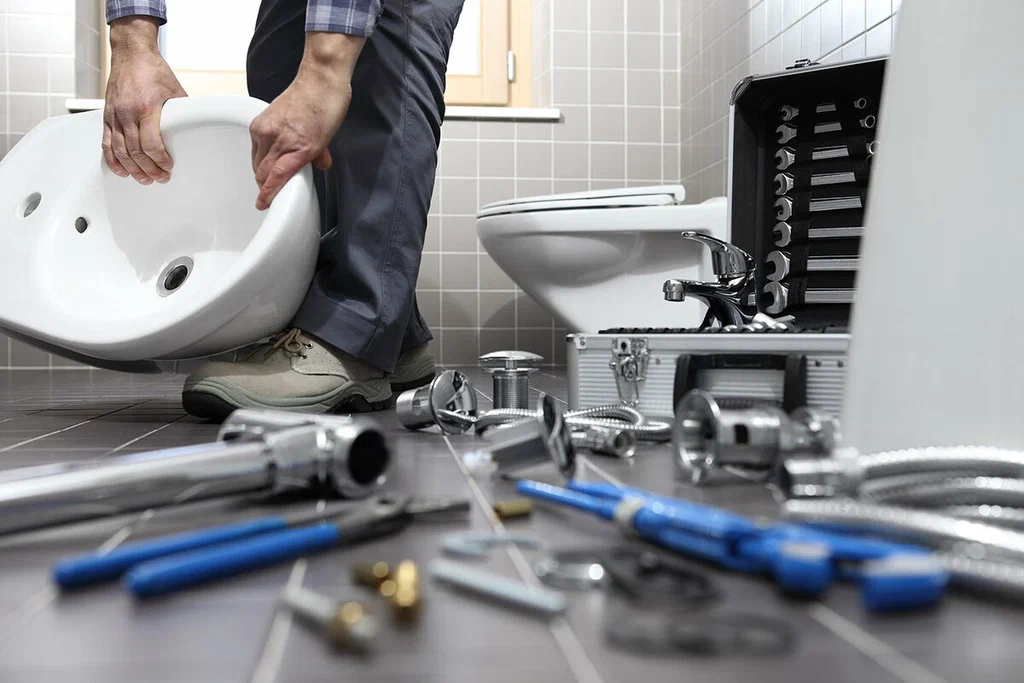
Yes. Whether updating a bathroom, replacing a worn fixture, or putting in something new, we install toilets, faucets, showers, and sinks so everything seals properly and works right the first time. Matching the correct parts and setting proper seals keeps a new fixture from dripping or wobbling later. While we are there, we check the shutoffs and supply lines and point out worn parts likely to cause trouble soon, so a simple upgrade does not turn into a repeat visit.
Why is my faucet dripping even when it is off?
A faucet dripping all night usually means a worn washer, O ring, or cartridge inside the handle has stopped sealing. Hard water is tough on these small parts, so around here they wear out faster, and mineral buildup can keep a valve from closing fully. That steady drip adds up to real water waste. The fix is straightforward once we identify which part failed and match the right replacement. We also check the surrounding connections so we are not back for a related drip weeks later.
What causes weak flow from my showerhead?
Weak shower flow often comes down to mineral buildup clogging the showerhead itself, common with the hard water here, and cleaning or replacing the head restores pressure. If the whole house has weak flow, the cause runs deeper, like corroded pipes or a supply pressure issue. A worn shower valve or cartridge can also be behind it. We figure out whether it is just the fixture or something larger, then handle the repair, whether that is a new head, a valve replacement, or the pipes.
How do I know if my shower valve needs replacing?
Signs include trouble getting the temperature right, a handle that spins loosely or stiffly, dripping after you shut it off, or water that will not reach hot or cold fully. These usually mean the cartridge or valve has worn out, which happens gradually with hard water. A shower valve replacement restores proper temperature control and stops the drip. We match the correct part and make sure everything seals right, since a rushed valve job tends to lead to leaks behind the wall.
Gas Line and Emergency Plumbing FAQs in Englewood
What should I do if I smell gas?
Treat it as a serious emergency. If you smell gas or suspect a gas leak, go outside immediately and call 911 – this is a serious emergency that needs urgent attention from the gas company. Do not flip switches, light anything, or use your phone inside, since a spark can be dangerous. Get everyone out first, then call from a safe distance. Once the danger has been handled by the proper authorities, we can inspect the line, test connections, and make repairs so it is safe again. Gas is never something to take chances with.
Do you install gas lines for stoves and appliances?
Yes. We handle gas line installation for stoves, ranges, gas water heaters, dryers, and other appliances, plus repairs to existing lines. This is careful work where safety comes first, from sizing the line correctly to testing every connection and confirming it holds pressure before the job is done. It is not a place for guesswork. Whether you are adding a gas appliance or extending a line, we make sure it is done right so your household stays safe. We never cut corners on anything involving gas.
How fast can an emergency plumber arrive in Englewood?
For genuine emergencies, we move right away, since a burst pipe or flooding drain does not wait for morning. Exact timing depends on the day and how many urgent calls are ahead, but fast response is core to what we do as a 24 hour plumber here. When you reach us, we help you take immediate steps, like shutting off your main supply, while we head your way. Getting the water stopped quickly often separates a manageable repair from major damage to floors and cabinets.
What makes something a true plumbing emergency versus something that can wait?
If water is spreading and you cannot stop it, or your home is unsafe, it is an emergency. Burst pipes, sewage backups, a flooding water heater, a main line backup, and any suspected gas leak all need immediate attention. A slow drip, a single slow drain, or a running toilet is frustrating but can usually wait for a scheduled visit. When unsure, shutting off the water to the affected area buys time. Call us and describe what is happening, and we will help you gauge how urgent it is.
What should I do before the plumber arrives for an emergency?
Shut off the water to the affected fixture, or the main supply if water is spreading fast. Clear a little space around the work area and move valuables away from any water. Note when the problem started and what you have noticed, since that helps us diagnose faster. For a suspected gas leak, skip all of that, leave the home, and call 911 first. These quick steps can make a real difference in limiting the damage before we arrive.
Where is my main water shutoff, and why does it matter?
Your main shutoff is usually near where the water line enters the home, close to an outside wall, the water meter, or a garage. Knowing its location before an emergency is one of the most useful things a homeowner can do, since shutting it off quickly during a burst pipe saves serious water damage. If you are not sure where yours is, we are glad to show you and confirm it works during any service visit, so you are prepared late at night.
Service Area and Scheduling Questions for Englewood
How do I find a dependable plumber near me?
Look for a local team that works in the area day in and day out, understands the older homes, hard water, and coastal conditions here, and shows up when they say they will. A plumber who has seen the same problems on nearby streets can diagnose faster and skip the guesswork. We serve this area and the surrounding communities every day, so we are rarely far off. Dependable timing and clear communication are things we hold ourselves to on every job.
How soon can I get a same day plumber?
In most cases, we can get someone to your door the same day for urgent problems and many routine repairs. Timing depends on the day and how many calls are ahead, but same day service is something we aim for whenever the schedule allows. If your issue is pressing, let us know and we will move quickly. For true emergencies, we respond right away rather than waiting for the next appointment slot.
What areas do you serve around Englewood?
We serve homeowners across Englewood and the communities around it, including Grove City, Rotonda West, Placida, Manasota Key, Cape Haze, and out toward South Venice, North Port, and Port Charlotte. From the neighborhoods near Lemon Bay to the canal homes and newer developments inland, we know the local housing and how it ages. Whether you are in an older block that needs repiping or a condo with shared line issues, there is a good chance we are already working nearby.
How does scheduling a service visit work?
It starts with a call. You tell us what is going on, we ask a few questions, and set an appointment window that fits your day. For non urgent work, we lock in a time and stick to it, keeping you posted if anything shifts. For emergencies, we skip ahead and move fast. Either way, you know when to expect us, because a plumber who does not show up on time is worse than none.
What happens when the plumber arrives?
When we get there, we find the actual source of the problem rather than jumping to a fix. Then we explain what we found in plain terms and lay out your options, without pressure. Once you give the go ahead, we do the work, test everything to confirm there are no leaks, and clean up before we leave. We want you confident the problem is truly solved, not just patched over.
Why Englewood Homeowners Keep Coming Back to Englewood Plumbing Pros
The reason people call us again is how the work holds up and how we treat their home along the way. One homeowner near the Lemon Bay canals kept getting pinhole leaks in old copper, and instead of patching the same spot a third time, we walked them through a repipe so they understood why. That honest conversation earns a repeat call.
Another family had a toilet that would not stop running, and rather than just dropping in a new flapper, we found a pressure problem quietly wearing out parts across the house. Fixing the real cause saved them a string of small repairs. We hear similar stories with water heaters, where a unit rumbling from sediment got flushed before it failed, instead of leaving someone without hot water on a weekend.
We have caught burst lines before they ruined cabinets, located slab leaks so we opened one small spot instead of a whole floor, and done gas line work with the careful testing it demands. The pattern is the same throughout. We chase the root cause, keep the work area clean, explain things plainly, and show up on time. That reliability turns a one time repair into a plumber homeowners keep for years.
Your Local Englewood Plumbing Team
After years of working on homes across this area, we have seen just about everything the local housing throws at a plumbing system, from corroded galvanized lines and slab leaks to sediment heavy water heaters and root filled sewer lines. Whether your question was answered above or you are dealing with something these FAQs did not cover, we are the local team that has been there before and knows how to fix it right the first time. We treat your home with respect and stand behind careful, dependable work on every visit.
Reach out to us for assistance.
Zip codes we serve: 34223, 34224, 34293, 33947, 33946, 33981, 33953, 33948, 34287, 34291, 34286, 34275, 33921, 34285, 34292
Plumbing Pro Services
Committed To Flowing Water & Peace Of Mind
Reliable plumbing solutions for residential and commercial needs. We ensure your pipes, drains, and fixtures are working perfectly.
We Deliver Expert Results
Don’t gamble with your plumbing. We combine years of experience with modern technology to deliver lasting repairs and installations. Our team respects your time and your property.
- Fixture Installation
- Leak Detection
- Modern Diagnostics
- Drain Cleaning